7 Free Resources to Help You Start a Business in the UK
Starting a business in the UK comes with a lot of questions. How much money do I need to get started? What legal steps do I need to take? How do I market my business and attract customers? The list goes on. At VentureBlueprint, we want to make the journey a little easier by bringing together a curated collection of trustworthy, free resources to help aspiring entrepreneurs and small business owners find the information, tools and guidance they need to get started with confidence.

Key takeaways:
-
-
Use free resources: Use templates, budgeting tools & market research platforms to help you get started.
-
Plan ahead: Research your market, calculate startup costs and organise your tasks before launching.
-
Seek support: Use UK business guidance, workshops and networking to build knowledge and confidence.
-
1. Free Business Plan Templates
A business plan is one of the most useful resources for anyone starting a business. It helps you turn an initial idea into a structured plan by outlining your products or services, target market, marketing strategy, startup costs and financial goals. Creating a business plan before launching can help you identify potential challenges, understand what you need to get started and establish a clearer direction for your business.
If you’re unsure where to begin, you don’t need to start from scratch. VentureBlueprint’s free business plan template provides a practical starting point for organising your ideas and planning your next steps. Download your copy and begin building a business plan that works for your goals.
2. Startup Cost Calculators and Budgeting Spreadsheets
Understanding how much money you need to start a business is an important step in deciding whether your idea is financially realistic. Startup costs can include equipment, stock, insurance, website hosting, marketing and professional fees. A startup budget helps you estimate these expenses before you commit money, while financial planning tools can help you understand your expected income, expenditure and cash flow.
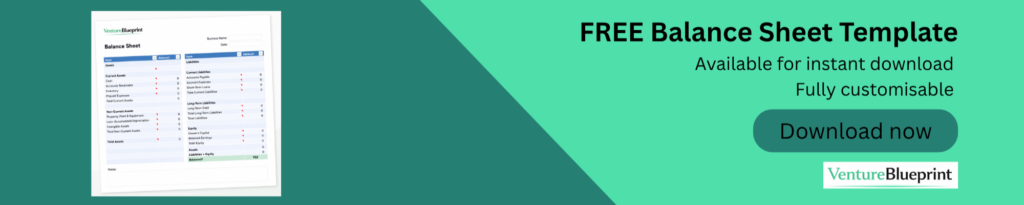
To get started, explore VentureBlueprint’s free balance sheet template to help organise your financial information. You can also use the British Business Bank’s guide to creating a cash flow forecast to understand how to forecast money coming into and leaving your business. Combining a startup budget with a cash flow forecast can help you prepare for upcoming expenses and make more informed financial decisions.
3. Free Market Research Tools
Before launching a business, it’s important to understand your potential customers, competitors and the demand for your product or service. Market research helps you test your business idea, identify customer needs and spot opportunities before investing too much time or money. Fortunately, you can begin researching your market without paying for expensive reports or specialist software.
One useful free market research tool is Google Trends, which allows you to compare search interest in different topics and explore how interest changes over time. You can filter results by location to investigate trends in the UK. Although Google Trends doesn’t provide exact search volumes or prove that people will buy a product, it can help you explore emerging interests, seasonal patterns and potential areas for further research.
4. Business Name and Domain Checkers
Choosing a business name is an exciting part of launching a new venture, but it’s worth checking that your preferred name is available before investing in branding, marketing materials or a website. A suitable business name should be memorable, relevant to your offering and easy for potential customers to recognise. You’ll also want to consider whether a matching website domain is available.
The GoDaddy Domain Search tool allows you to check domain name availability and explore alternative suggestions if your preferred address has already been taken. For a UK business, you might consider whether a .co.uk or .uk domain suits your audience. Remember that an available domain doesn’t automatically mean the business name is legally available, so check relevant company name and trade mark records before making your final decision.

5. Official UK Business Guidance
Starting a business involves more than developing a good idea. Depending on your business structure and activities, you may need to register with the appropriate authorities, understand your tax obligations, arrange insurance or meet specific licensing requirements. Knowing which rules apply to your business from the outset can help you avoid unnecessary complications as you prepare to launch.
The official GOV.UK guide to writing a business plan is a useful starting point for understanding what to include in your plan, while Business.gov.uk provides further guidance on starting and running a business. These official resources can help you navigate important requirements and find relevant information for your circumstances. Always check the latest guidance, as your obligations will depend on factors such as your business structure, location and industry.
6. Business Planning and Organisation Tools
Starting a business involves managing lots of tasks, from researching your market and setting a budget to building a website and planning your marketing strategy. Using a business planning and organisation tool can help you keep track of deadlines, prioritise tasks and break your business launch into manageable steps. Staying organised from the beginning can make the process feel less overwhelming and help you focus on what needs to be done next.
Productively.co is a UK-focused productivity tool that helps businesses manage tasks, organise projects and set goals in one place. Its Founders First UK initiative offers free accounts to UK limited companies, making it worth exploring if you’re setting up a limited company. You can use it to organise your launch checklist, track progress and keep your business goals in sight. Check the eligibility requirements on its website before signing up.
7. Free Business Support, Workshops and Learning Resources
Starting a business doesn’t mean you have to figure everything out alone. Whether you need help researching your industry, developing a business plan or understanding how to reach your first customers, accessing reliable advice and learning resources can help you make more informed decisions. Free workshops, business events and support services can also help you develop the skills and knowledge you need to run a business with confidence.
The British Library’s Business & IP Centre offers free business events, workshops, one-to-one support and access to business information resources through the British Library and a network of UK libraries. Its resources cover topics such as starting a business, market research, intellectual property and business growth. Support and events vary by location, so visit the website to explore the resources available to you.
Start Your Business Today
There’s no time like the present to start turning your business idea into reality. Take advantage of the free tools, templates and resources available to help you plan your next steps, understand your finances and prepare for launch. Don’t overlook the value of in-person events, workshops and connecting with other entrepreneurs, either. Learning from people who have been through the process can offer valuable insights and help you build confidence along the way.
Remember, you don’t need to have everything figured out from day one. Start small, do your research and focus on making steady progress. With the right preparation and resources, you can take meaningful steps towards building a business of your own.