
Corporate Art Consultancy
Start and grow a profitable Corporate Art Consultancy Business
What's Included
- Step-by-step guide to launching your corporate art consultancy business
- Startup costs, equipment, and pricing strategy explained
- Simple revenue model with realistic earning potential
- 30–60 day launch plan to help you secure your first customers
Who it's for
- Individuals looking to start a corporate art consultancy business from scratch
- Those wanting a low-cost, practical business idea
- Those in the art industry who need a clear, step-by-step plan to follow
- Anyone passionate about art looking for a profitable business
Outcomes
- Know exactly how to start your corporate art consultancy business
- Have a clear plan to secure your first paying customers
- Understand how to price your services for profit
- Be ready to launch with a structured, step-by-step approach
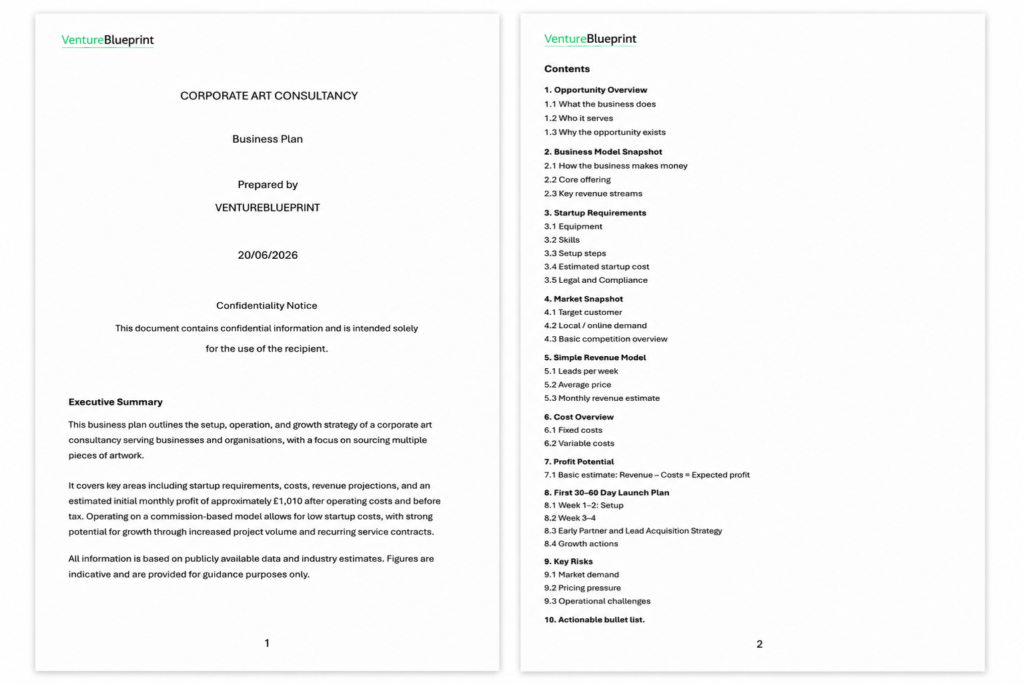
Corporate Art Consultancy Business Plan: What You Need to Know
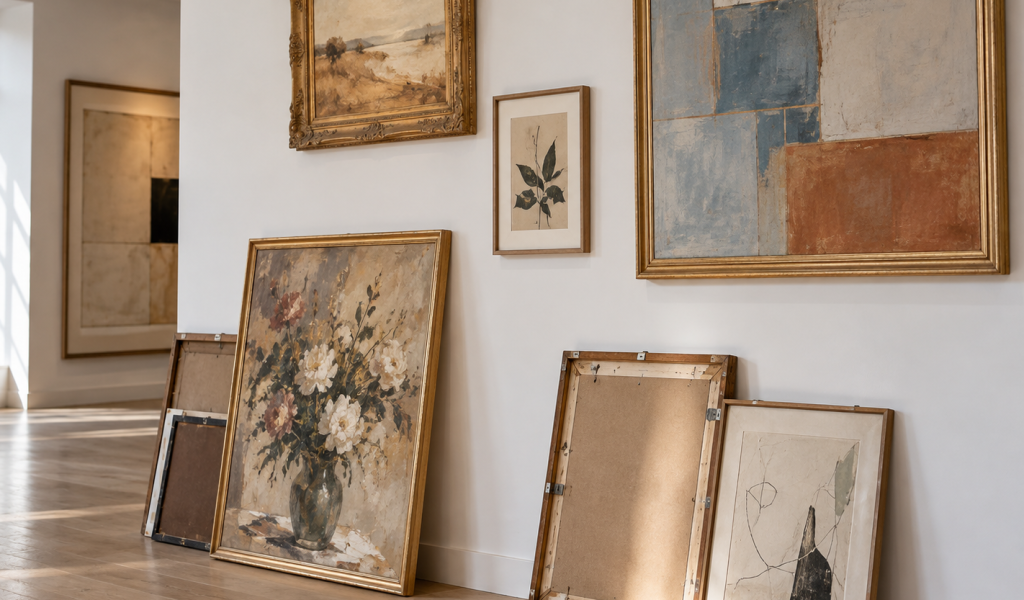
A corporate art consultancy helps businesses choose, source and display artwork in their commercial spaces. From office interiors and hotel receptions to restaurants and corporate collections, art consultants help businesses find artwork that suits their space, budget and brand identity.
For someone with an interest in art, design and business, starting an art consultancy could offer an opportunity to turn that interest into a business. However, running a consultancy involves more than simply choosing attractive artwork. You also need to understand your clients, build relationships with artists and suppliers, manage projects and develop a sustainable business model.
In this guide, we’ll explore what a corporate art consultancy does, who its customers are, how it generates revenue and what you should consider before starting one.
What is a corporate art consultancy?
A corporate art consultancy provides advice and services to businesses that want to source, display or manage artwork.
Rather than selling artwork in the same way as a traditional gallery, an art consultant works with clients to understand their requirements and find suitable pieces for their premises.
For example, a company opening a new office might want artwork that reflects its brand, creates a welcoming environment and complements its interior design. An art consultant can help the company choose appropriate pieces, source them from artists or galleries, and coordinate delivery and installation.
Depending on the business model, an art consultancy might work with original paintings, photography, sculptures, prints, commissioned artwork or existing corporate collections.
Some consultants focus on sourcing individual pieces, while others manage larger projects involving multiple locations or entire collections.
Who uses corporate art consultancy services?
Corporate art consultants can work with a range of businesses and organisations. The types of clients you target will depend on your expertise, contacts and the services you offer.
Offices and corporate workplaces
Businesses may want artwork that complements their office interiors, reflects their brand identity or creates a more welcoming environment for employees and visitors.
An art consultant can help source suitable pieces for reception areas, meeting rooms, boardrooms and shared workspaces.
Hotels and hospitality businesses
Hotels, restaurants and other hospitality businesses often use artwork to help establish a particular atmosphere.
For example, a boutique hotel might commission artwork that reflects the local area, while a restaurant might choose pieces that complement its interior design and overall theme.
Property developers and interior designers
Property developers and interior designers may need artwork for residential developments, commercial buildings, show homes or completed design projects.
An art consultant can help these clients source pieces that complement the wider design scheme.
Healthcare and educational organisations
Hospitals, clinics, universities and other institutions may also commission or purchase artwork for their buildings.
These projects can involve specific requirements around the setting, audience, budget and installation process.
Other corporate clients
Art consultants can also work with law firms, financial businesses, retail spaces and other organisations that want to incorporate artwork into their premises.
Identifying a particular customer group can help a new consultancy develop a clearer offer and build relevant industry relationships.
What services can an art consultancy offer?
A corporate art consultancy can offer several services, depending on its specialism and the needs of its clients.
Artwork sourcing
An art consultant can research and source artwork that matches a client’s brief, budget and preferred style.
This may involve working directly with artists, galleries, art dealers or other suppliers.
Art curation and selection
Some clients know they want artwork but need help choosing suitable pieces.
An art consultant can create a selection that complements the space, fits the client’s requirements and works with the overall interior design.
Commissioning artists
Businesses may want a unique piece designed specifically for their premises.
In this case, an art consultant can help develop the brief, find a suitable artist and coordinate the commissioning process.
Art installation and project coordination
Larger projects may involve delivery, framing, positioning, installation and coordination with interior designers or building contractors.
An art consultancy can manage these arrangements, depending on the services it provides.
Corporate art collection management
Some businesses already own artwork but need help organising, documenting or updating their collections.
A consultancy could provide collection reviews, artwork inventories, sourcing recommendations and ongoing management.
Not every consultancy needs to offer all these services. Instead, you can start with a specific specialism and expand as your business develops.
How does a corporate art consultancy make money?
An art consultancy can generate revenue in several ways. The right approach will depend on the services offered, project size and relationships with clients and suppliers.
Consultancy fees
You could charge clients for your time and expertise, either at an hourly rate, a day rate or a fixed project fee.
For example, a client might pay for an initial consultation, artwork recommendations and a proposal for a particular office space.
Artwork sourcing fees
You could charge a fee for researching and sourcing suitable artwork.
This approach allows you to earn revenue from your expertise without necessarily purchasing and holding the artwork yourself.
Project management fees
Larger projects may require coordination between artists, suppliers, designers, installers and the client.
You could charge a project management fee for overseeing these activities.
Artwork sales and commissions
Depending on your business model and agreements with suppliers, you might earn revenue from artwork sales or receive a commission for arranging a purchase.
However, you should make the payment arrangements clear to clients and understand how any supplier relationships affect your pricing.
Ongoing consultancy agreements
Some clients may need regular support with their art collections or multiple premises. You could offer an ongoing service for collection management, new acquisitions or artwork changes.
Combining different revenue streams may help you serve clients with different budgets and requirements.
What do you need to start an art consultancy business?
Unlike a traditional art gallery, an art consultancy does not necessarily need its own retail premises or a large inventory of artwork.
Instead, you can build a business around your expertise, industry relationships and ability to manage projects.
Some of the main requirements include:
• Art knowledge: An understanding of artists, artwork styles, materials, suppliers and the wider art market.
• A portfolio: Examples of your work, relevant experience or sample concepts that demonstrate your approach.
• Industry contacts: Relationships with artists, galleries, framers, installers, interior designers and potential clients.
• A website: A professional website that explains your services, showcases your work and helps potential clients contact you.
• Business administration: Systems for managing enquiries, proposals, contracts, invoices and project records.
• Insurance: Appropriate cover for the activities you undertake, particularly when handling, transporting or installing artwork.
• Pricing and financial planning: A clear understanding of your costs, fees, expected revenue and cash flow.
You may also need access to professional photography, framing services, transport providers and installation specialists, depending on the projects you accept.

How much does it cost to start an art consultancy?
The startup costs will depend on the type of consultancy you plan to establish.
For example, a consultant who sources artwork for clients and works from home may have a different cost structure from a business that purchases artwork, leases premises or manages large installations.
Potential startup costs include:
• Website development and hosting
• Branding and marketing materials
• Portfolio development and photography
• Networking and industry events
• Travel to client meetings and project locations
• Business software and administration
• Insurance and professional advice
• Artwork handling, storage or installation arrangements, where required
You should also consider your working capital. Clients may take time to approve proposals, commission artwork or pay invoices, so you need to plan for periods when income is less predictable.
Creating a startup budget can help you understand how much money you need before taking on your first projects.
How do you find clients for an art consultancy?
Building relationships is an important part of developing a corporate art consultancy. Your marketing should demonstrate what you offer and help you reach the businesses that are most likely to need your services.
Build a professional portfolio
A portfolio allows potential clients to understand your style, expertise and approach. You could include completed projects, examples of artwork selections, concept boards or sample proposals.
If you are new to the industry, clearly label any concept work and avoid presenting hypothetical projects as completed client work.
Network with relevant businesses
Interior designers, architects, property developers and office fit-out companies may encounter clients who need artwork.
Building relationships with these professionals could introduce your consultancy to potential customers.
Create a website
Your website should explain your services, the types of clients you work with and how your consultancy approaches projects.
You could also create separate pages for relevant services, such as office art consultancy, corporate art sourcing or commissioned artwork.
Use LinkedIn and professional networks
LinkedIn can help you connect with business owners, office managers, property professionals, designers and other potential clients.
You could share completed projects, discuss your approach to art selection and build relationships with people involved in commercial interiors.
Develop case studies and referrals
Once you complete projects, ask clients whether you can showcase the work in your portfolio.
With their permission, case studies can demonstrate how you approached a brief, selected artwork and coordinated the project. Satisfied clients may also recommend your services to other businesses.
What should you consider before starting an art consultancy?
Before launching your business, think carefully about the market you want to serve and how you will differentiate your services.
Your target market
Decide which types of clients you want to work with. For example, you might focus on corporate offices, hospitality businesses, property developers or a particular type of artwork.
A defined target market can help you develop relevant services and marketing materials.
Your positioning
Consider what makes your consultancy different. You might specialise in emerging artists, contemporary artwork, a particular region, specific commercial environments or projects within a certain budget.
A clear specialism can help potential clients understand why they should approach you.
Your supplier relationships
You will need reliable ways to source artwork and coordinate any additional services.
Build relationships with artists, galleries, framers and installers, and agree clear arrangements for pricing, availability, delivery and responsibilities.
Project budgets and timelines
Corporate art projects can involve multiple decisions and suppliers. Artwork selection, approvals, production and installation may all affect the project timeline.
Set clear expectations with clients and account for these stages when planning your fees and workload.
Cash flow and profitability
A project can generate substantial revenue without necessarily producing a large profit. You need to account for your time, travel, subcontractors, marketing, administration and any costs you pay before receiving payment from the client. Therefore, calculate your expected costs and profit before agreeing to a project.
The Arts Council England website provides information about the arts sector and funding opportunities. You can find this here.

Is an art consultancy business a good opportunity?
A corporate art consultancy offers a way to combine art knowledge, creative decision-making and business services.
Rather than relying solely on selling individual artworks, you can develop relationships with organisations that need help sourcing, selecting and managing artwork for their premises.
However, the business still needs a clear market, a reliable network of suppliers and a pricing model that covers your costs.
You should also consider how you will attract clients, demonstrate your expertise and manage projects from the initial brief through to delivery.
Researching these areas before you launch can help you decide whether the opportunity fits your skills, interests and financial goals.
You can find guidance on setting up a business here.
Planning your corporate art consultancy business
Starting an art consultancy involves more than having an interest in art. You need to identify your target customers, define your services, establish supplier relationships and work out how the business will generate enough revenue to cover its costs.
Our Corporate Art Consultancy Business Plan can help you organise these ideas and develop a clearer picture of how your business could operate.
Use it to think through your target market, service offering, startup requirements, financial planning and launch activities before taking your next steps.
View the Corporate Art Consultancy Business Plan →
If you are still exploring your idea, you can also download our free business plan template to start putting your plans together.
Talk to us
Have any questions? We are always open to talk about our plans, new projects, creative opportunities and how we can help you.