
Automotive Trade Transport Business
Start and grow a profitable vehicle transport business
What's Included
- Step-by-step guide to launching your vehicle transport business
- Startup costs, equipment, and pricing strategy explained
- Simple revenue model with realistic earning potential
- 30–60 day launch plan to help you secure your first customers
Who it's for
- Individuals looking to start an automotive trade transport business from scratch
- Those wanting a low-cost, practical business idea
- Beginners who need a clear, step-by-step plan to follow
- Anyone looking to turn a service-based idea into a profitable business
Outcomes
- Know exactly how to start your vehicle transport business
- Have a clear plan to secure your first paying customers
- Understand how to price your services for profit
- Be ready to launch with a structured, step-by-step approach

Vehicle Transport Business: What You Need to Know
A vehicle transport business helps move cars and other vehicles from one location to another.
Customers may need a vehicle transported because they have bought a car from a dealership or private seller, are moving a vehicle a long distance, need a non-running vehicle moved or want a vehicle delivered to a garage, auction or another location.
The type of work can vary considerably. Some vehicle transport businesses specialise in moving cars for dealerships and motor traders, while others work with private customers, auction houses, garages or businesses that need vehicles moved regularly.
If you’re considering starting a vehicle transport business, there are several things to think about, including the type of transport work you want to offer, the vehicle and trailer you need, your operating costs, insurance, licensing requirements and how you will find customers.
What is a vehicle transport business?
A vehicle transport business provides a service for moving vehicles between locations.
This could involve transporting a car from a private seller to a buyer, collecting a vehicle from an auction, moving a car between dealerships or taking a vehicle to a garage.
Some businesses transport vehicles locally, while others cover much larger areas across the UK.
The business can also be structured in different ways. You could operate independently and carry out the transport yourself, employ drivers as the business grows or focus on arranging vehicle transport jobs and using other transport operators to complete them.
The right model will depend on your available budget, experience and the type of customers you want to work with.
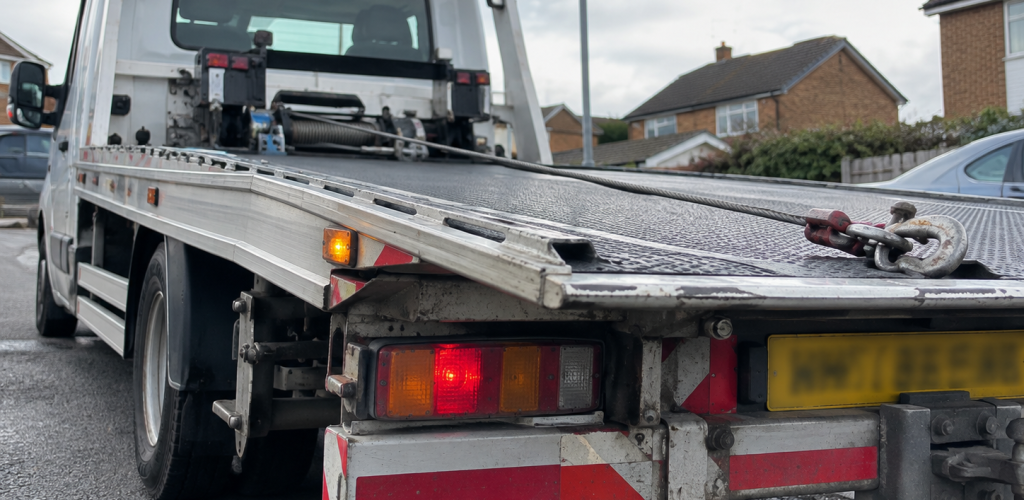
Who uses vehicle transport services?
There are several different types of customers who may need vehicles transported.
Car dealerships
Dealerships may need vehicles moved between branches, collected from suppliers, delivered to customers or taken to garages and preparation centres.
A reliable transport provider can therefore become a useful part of a dealership’s wider operation.
Motor traders
Independent motor traders and used-car businesses may regularly buy vehicles from auctions, private sellers or other dealers.
They may need someone to collect vehicles and deliver them to their premises.
Private car buyers and sellers
Private customers may need a vehicle transported when buying or selling a car that is located some distance away.
For example, someone buying a car from another part of the UK may prefer to pay a transport company to collect it rather than travelling to collect it themselves.
Vehicle auctions
Vehicle auctions can provide opportunities for transport businesses because vehicles are regularly bought and need to be moved to their new owners or premises.
Depending on the auction and the type of customers involved, there may be opportunities for regular collection and delivery work.
Garages and repair businesses
Garages may need vehicles collected from customers, moved between sites or transported elsewhere when a vehicle needs specialist work.
Non-running vehicles can require different equipment and transport arrangements from vehicles that can simply be driven onto a transporter, so this is an area to consider carefully when deciding what services to offer.
Rental and fleet businesses
Businesses operating fleets of vehicles may occasionally need vehicles moved between locations.
This could include moving vehicles between branches, taking vehicles for repairs or relocating vehicles as part of fleet management.
What types of vehicle transport jobs are there?
Vehicle transport can involve many different types of jobs.
Car collection and delivery
One of the simplest models is collecting a vehicle from one location and delivering it to another.
This could be for a private customer, dealership, trader or auction.
Dealership vehicle transport
A transport business can work directly with dealerships to move vehicles between branches, suppliers, customers and other locations.
Regular dealership work can potentially provide repeat business if the relationship works well for both sides.
Auction collections
Vehicles purchased through auctions often need to be collected and transported to dealerships, traders or private buyers.
This can involve working around auction collection times and completing multiple collections efficiently.
Non-running vehicle transport
Some vehicles cannot be driven and need to be transported using suitable equipment.
This could include vehicles that have broken down, been involved in an accident or simply aren’t roadworthy.
Transporting non-running vehicles can require additional equipment and may involve different working practices from transporting vehicles that can be driven onto a transporter.
Classic and specialist vehicles
Some customers may need specialist transport for classic, expensive or unusual vehicles.
These customers may place particular importance on careful handling, secure transportation and appropriate insurance.
A business offering this type of service may choose to position itself around specialist vehicle transport rather than competing primarily on price.
Commercial vehicle transport
There can also be opportunities to transport vans and other commercial vehicles.
The equipment and vehicle requirements will depend on the size and weight of the vehicles being transported.

How does a vehicle transport business work?
A typical vehicle transport job starts when a customer requests a collection and provides details about the vehicle and the collection and delivery locations.
The transport business will need to consider factors such as the vehicle’s size, weight and condition, the distance involved and whether the vehicle can be driven or needs specialist loading.
A price can then be provided based on the work involved.
Once the job is agreed, the vehicle needs to be collected safely, transported to the destination and handed over to the customer or another agreed party.
Keeping accurate records can also be important. Depending on the type of work, you may need to record details about the vehicle, collection and delivery, customer information and the condition of the vehicle before and after transportation.
Taking photographs of a vehicle before loading can also help create a record of its condition at the start of the job.
What vehicle and equipment do you need?
The equipment required will depend on the type and size of vehicles you intend to transport.
Vehicle transporter or towing vehicle
One of the biggest decisions is what type of transport vehicle you will use.
Some businesses use a dedicated car transporter, while others use a suitable towing vehicle and trailer.
The choice will depend on factors such as the vehicles you want to transport, your budget, payload requirements and the type of licence and driving entitlement that applies.
Car transporter trailer
A trailer can be used to transport vehicles when paired with a suitable towing vehicle.
Before choosing a trailer, you need to make sure that the combined weights and towing limits are suitable for the vehicle and trailer combination.
Loading ramps
Suitable ramps can make it easier to load vehicles onto a transporter or trailer.
The ramps need to be appropriate for the equipment being used and the vehicle being loaded.
Winch
A winch can be particularly useful when transporting vehicles that cannot be driven onto the transporter themselves.
The appropriate winch and loading equipment will depend on the type and weight of vehicles you intend to handle.
Vehicle straps and securing equipment
Vehicles need to be secured appropriately during transportation.
Suitable straps and other securing equipment should be selected for the vehicles and transport equipment being used.
Other equipment
Other useful equipment could include jump leads, battery packs, wheel chocks, protective equipment, lighting and basic tools.
The exact equipment list will depend on the services you intend to offer.
How much does it cost to start a vehicle transport business?
Starting a vehicle transport business can require a larger initial investment than some service-based businesses because the transport vehicle and equipment can be significant expenses.
Your startup costs could include:
• Vehicle or transporter
• Trailer, if required
• Insurance
• Vehicle tax and running costs
• Fuel
• Vehicle servicing and maintenance
• Loading and securing equipment
• Business registration and accounting
• Website and marketing
• Licensing and application costs where applicable
• Parking or storage
• Breakdown cover
The amount you need to invest will depend heavily on the type of vehicle transport business you want to build.
Someone starting with a single vehicle and focusing on smaller jobs will have a different cost structure from a business operating several transporters and serving commercial customers.
It is therefore worth working out your expected costs before buying equipment.
Do you need an operator licence?
This is an important area to understand before starting a vehicle transport business in the UK.
Whether you need a goods vehicle operator licence depends on factors including the vehicle and trailer weights, what you are transporting and whether you are carrying goods for your own business or for other people for payment.
GOV.UK states that a goods vehicle operator licence is generally required when using a goods vehicle above certain weight thresholds. The rules can also apply to combinations of vehicles and trailers.
The type of licence can also vary. A restricted licence generally relates to carrying your own goods, while a standard national licence allows an operator to carry other people’s goods for hire or reward within the UK. A standard international licence covers certain international operations.
Vehicle transport can be slightly more complicated because the vehicle being transported can itself be considered goods for these purposes.
For example, GOV.UK’s guidance on vehicle recovery explains that transporting a non-disabled car from one garage to another can be treated as a haulage operation and fall within the rules for carrying goods for hire or reward.
The exact requirements depend on the circumstances, so anyone planning to start a vehicle transport business should check the current GOV.UK guidance before operating.
You can find the GOV.UK guidance on vehicle operator licences for more information.
If an operator licence is required, you should not begin operating until the appropriate licence has been issued. GOV.UK states that it is illegal to operate a vehicle before the required licence has been issued.
What other things do you need to consider?
Licensing is only one part of setting up a vehicle transport business.
Insurance
The right insurance is particularly important when you are transporting vehicles belonging to other people.
You should make sure that the insurance you arrange is suitable for the work you actually intend to carry out.
Driver and vehicle requirements
You also need to make sure that anyone driving the transport vehicle has the appropriate driving entitlement and that the vehicles are properly maintained.
If you hold a goods vehicle operator licence, there are additional responsibilities around vehicle maintenance, safety inspections and drivers.
Operating location
Where you keep your transport vehicle can also be important.
If an operator licence is required, the place where vehicles are normally kept may be considered an operating centre. GOV.UK explains that an operating centre needs suitable access and parking and must meet relevant requirements around its impact on nearby properties and residents.
This means it is worth considering where you will keep your transporter and trailer before committing to a particular setup.
Vehicle condition and customer records
When collecting a vehicle, it can be useful to record its condition before transportation.
Photographs and written records can help establish the condition of the vehicle when it was collected and provide a useful record for both the customer and the transport business.
International transport
If you eventually want to transport vehicles internationally, there can be additional requirements.
For example, GOV.UK states that certain vehicles and combinations used to transport goods for hire or reward in the EU, Iceland, Liechtenstein, Norway and Switzerland require a standard international goods vehicle operator licence.
A business planning to operate internationally should therefore check the relevant requirements before accepting international work.
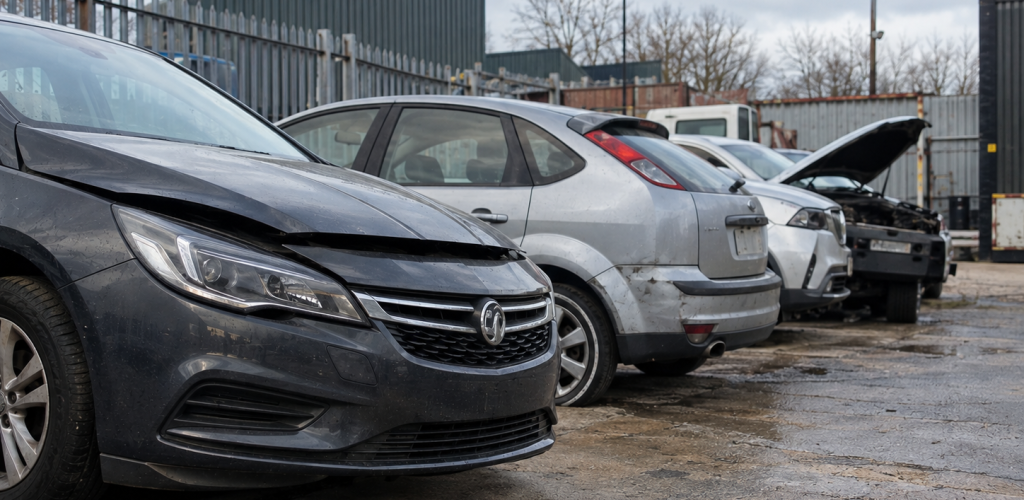
How can a vehicle transport business find customers?
Finding regular customers is one of the most important parts of building a vehicle transport business.
There are several potential customer groups to target, including dealerships, motor traders, garages, auction buyers and private vehicle owners.
Build relationships with motor businesses
Approaching local dealerships, garages, traders and vehicle-related businesses can be a useful way to introduce your service.
The aim is not necessarily to find hundreds of individual customers. Building relationships with businesses that regularly need vehicles moved could create opportunities for repeat work.
Create a local online presence
A professional website can help potential customers find out what you offer and request a quote.
A Google Business Profile can also be useful for a local transport business, particularly when customers are searching for vehicle transport services in their area.
Use vehicle-related marketplaces and networks
There are also specialist platforms and networks where vehicle transport jobs may be advertised.
These can potentially help a new business find work while it builds its own customer base.
Encourage recommendations
Good service can lead to recommendations from previous customers.
For a transport business, reliability is particularly important. Customers are trusting you with their vehicle, so clear communication and careful handling can help build a positive reputation.
How should a vehicle transport business charge customers?
There are several factors that can influence the price of a vehicle transport job.
These could include:
• Collection and delivery distance
• Vehicle size and weight
• Whether the vehicle is running
• Loading requirements
• Fuel costs
• Tolls and other travel costs
• Time required
• Return journey
• Insurance and operating costs
• Urgency of the job
It is important to consider your full operating costs when setting prices.
A job that looks profitable based only on the amount charged to the customer may not be profitable once fuel, vehicle depreciation, maintenance, insurance and unpaid travel time are taken into account.
Working out your costs and pricing structure before you begin can help you understand how many jobs you need to complete to make the business worthwhile.
Is vehicle transport a good business to start?
Vehicle transport can offer several potential routes for building a business.
You could focus on private customers, work with dealerships and motor traders, specialise in auction collections or develop relationships with garages and other automotive businesses.
There is also the potential to expand the business over time by adding vehicles, drivers or additional services.
However, vehicle transport can have relatively high operating costs compared with some other service businesses. Fuel, insurance, maintenance, vehicle finance and equipment can all have a significant impact on profitability.
There are also licensing and regulatory requirements to understand, depending on how the business operates.
For these reasons, it is worth working out the numbers before investing in a transporter or trailer.
Planning your vehicle transport business
Starting a vehicle transport business is a significant investment, so having a clear plan can help you make better decisions before committing your money.
A business plan can help you work through your target customers, services, equipment, startup costs, pricing, marketing and potential revenue.
It can also help you think about whether you want to focus on private vehicle transport, dealerships, motor traders, auctions or commercial customers.
Our Vehicle Transport Business Plan is designed to help you work through these areas and turn your idea into a practical plan.
View the Vehicle Transport Business Plan →
If you’re still at the idea stage, you can also download our free business plan template to start putting your business idea together.
Talk to us
Have any questions? We are always open to talk about our plans, new projects, creative opportunities and how we can help you.